by Angela Williams

Check out some of my ideas on how to incorporate STEM challenges using picture books!
This semester, I had the amazing opportunity to present a teacher workshop at the KSLA conference in Hershey, on my two favorite topics; STEM and Literacy! At this workshop, I taught a lesson I wrote last year based on the book Three Cheers for Tacky, which is described more below. My group and I also showcased some mini challenges that we created that the teachers can look through. Below I will describe the challenges I created as well as Teacher tips that you may find useful when implementing STEM into your classroom.
Coding with Tacky design challenge
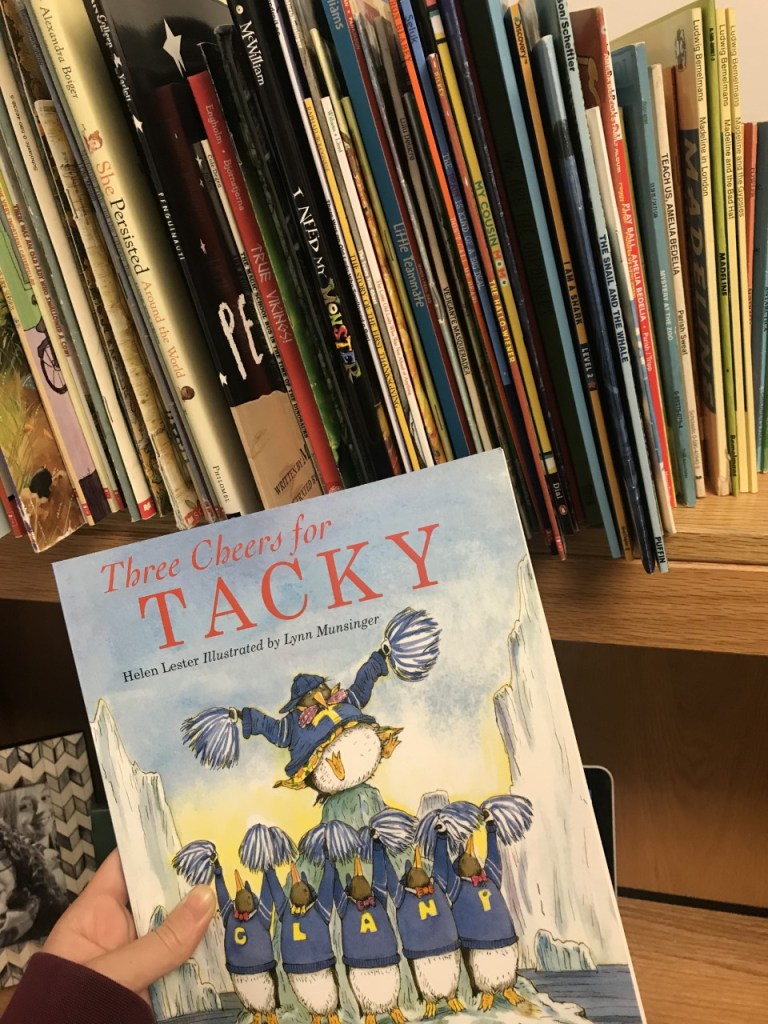
This challenge is called Coding with Tacky and it allows students to practice coding skills in a fun and engaging way! Students will first identify the problem in the book and then solve it using coding.
The challenge: Create a cheer you want to teach Tacky and create a set of codes that he can follow along with to practice it.
Some things to keep in mind: The codes should be specific and creative. Encourage students to have fun with their cheer and incorporate popular dance moves.
Testing: When the students are done with the set of codes, they will pass their sheet off to another group. This will test to make sure their codes are specific and eligible.
The Little GREEN Fort design challenge
This Challenge is called The Little GREEN Fort. This challenge allows students to research negative effects of construction on the environment and use the design process to create a solution to these effects.
The Challenge: After researching the negative effects that construction has on the environment, plan and design a fort that is green and sustainable.
Some things to keep in mind: The materials and tools used should be Eco-friendly.
Teacher tips: The research and planning period should be student facilitated. Provide books on the topic and recommendations for varies websites.
Also be sure to provide a large amount of tools and materials that they could use to create their model.
Clean your Oil Spill design challenge
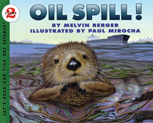
This book works to inform children on the impacts of oil spills and how the effect our environments and living organism such as plants and animals. This book also includes how we can prevent them and real-life tools that are used to clean them up.
The Challenge: After learning about the negative impacts of oil spills on the environment, create a tool that could be used to clean up the oil in your water stimulation.
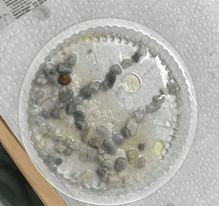
Materials: a small container, water, vegetable oil, pebbles (optional), a feather, and a variety of craft materials.
Procedure:
- Read the book Oil Spill! by Melvin Berger
- Each student will receive the small container and create their ocean stimulation by filling it with water and possibly adding sand and/or pebbles
- To stimulate a oil spill in their ocean, drop some vegetable oil in each container.
- Students will make observations based on what the oil looks like in the water and how they think it effects the living creatures.
- Stick a feather in the oil to stimulate a bird who is covered in the oil. Students will make predictions on how oil spills effect birds.
- Students will brainstorm and plan 3 different solutions to cleaning their oil.
- They will then test their tools and reflect on what did and din’t work.

